
Apple’s Foldable iPhone Could Challenge Samsung’s Dominance in the Premium Smartphone Market
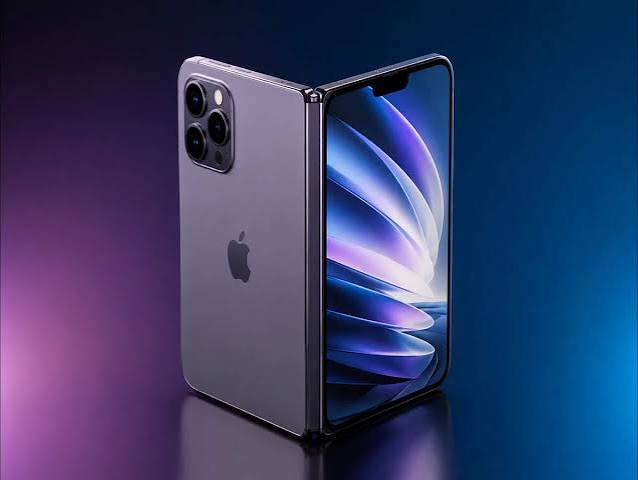
Apple is preparing to enter the foldable smartphone segment with a foldable iPhone, marking a major expansion into a market where Samsung has established a strong early lead. The launch could reshape the premium smartphone landscape and intensify competition among Apple, Samsung and other major device makers.
Written by
Jyoti Mukherjee
New Delhi: Apple is preparing to make a major entry into the foldable smartphone market, a segment that has been dominated for years by Samsung and other Android manufacturers.
The expected arrival of a foldable iPhone represents one of Apple's most significant product moves in the smartphone industry in recent years. The company is looking to bring its design, software ecosystem and premium-brand appeal to a category that has remained relatively niche but continues to attract consumers seeking larger displays in compact devices.
Apple Enters a Market Samsung Helped Build
Samsung has played a leading role in establishing the modern foldable smartphone category through its Galaxy Z Fold and Galaxy Z Flip series.
The South Korean technology giant has invested heavily in foldable displays, hinge technology and device durability, giving it a first-mover advantage in the segment.
Apple's entry could therefore significantly alter the competitive landscape.
Unlike many Android manufacturers that have already launched foldable devices, Apple has so far remained outside the category. Its decision to enter the market indicates that the company believes foldable phones have reached a stage where the technology can deliver a sufficiently refined experience for mainstream premium consumers.
Foldable iPhone Could Target the Ultra-Premium Segment
Apple is expected to position its first foldable iPhone as a high-end premium device rather than competing primarily on price.
The company has historically used its premium products to strengthen its average selling prices and expand its share of the most profitable segment of the smartphone market.
A foldable iPhone could follow a similar strategy, combining a large flexible display with Apple's processor technology, cameras, software and tightly integrated ecosystem.
The device could appeal particularly to existing iPhone users who want a larger screen without moving to a tablet-sized product.
Why Samsung Has So Much to Lose
Samsung's advantage in foldables has come from years of experience in developing flexible-display technology and refining its product designs.
Its Galaxy Z Fold and Z Flip families have helped establish consumer awareness of foldable phones and created a loyal customer base.
Apple's arrival, however, could increase pressure on Samsung in the premium segment.
Apple has an enormous installed base of iPhone users and a powerful ecosystem spanning services, accessories, computers and tablets. Even a relatively small conversion of existing iPhone customers into foldable buyers could give Apple a meaningful position in the category.
Apple’s Ecosystem Could Be a Major Advantage
Hardware specifications are only one part of the competition.
Apple's strength lies in the integration between its hardware and software. A foldable iPhone could potentially take advantage of iOS, Apple Intelligence, multitasking features and ecosystem integration to differentiate itself from Android foldables.
Features connecting the phone with products such as Mac computers, iPads, Apple Watches and AirPods could make the device attractive to consumers already invested in Apple's ecosystem.
The company may therefore attempt to sell the foldable iPhone not simply as a new form factor, but as an extension of the broader Apple experience.
Foldable Smartphones Still Face Challenges
Despite growing interest, foldable smartphones remain a relatively small part of the overall smartphone market.
Manufacturers continue to face challenges involving cost, durability, thickness, battery capacity and display reliability.
Flexible displays and sophisticated hinge mechanisms are more expensive to manufacture than conventional smartphone components. These costs can translate into higher retail prices.
Foldable devices also have to overcome consumer concerns about long-term durability, particularly around the folding display and hinge.
Apple's reputation for premium hardware could help address some of these concerns if the company is able to deliver a device that feels substantially more refined than existing alternatives.
Xiaomi and Other Android Brands Add to Competition
Samsung will not be Apple's only competitor.
Chinese smartphone manufacturers such as Xiaomi, Huawei, Oppo and Honor have also invested heavily in foldable technology and have introduced devices featuring increasingly sophisticated designs.
These companies have pushed innovation in areas such as thinness, battery technology, camera systems and hinge engineering.
The arrival of Apple could consequently transform foldables from a specialist smartphone category into a more mainstream premium market.
Apple Could Accelerate Foldable Adoption
Apple has historically entered certain technology categories after competitors have established the market, but its scale can significantly influence consumer adoption.
The company's entry into smartwatches and wireless earbuds, for example, helped accelerate the development of those product categories.
A foldable iPhone could have a similar effect.
If Apple succeeds in making foldable technology appealing to its enormous customer base, other smartphone manufacturers may face greater pressure to improve their own foldable products and pricing.
Pricing Will Be Closely Watched
One of the biggest questions surrounding the foldable iPhone will be its price.
Foldable smartphones generally cost more than conventional flagship devices because of their complex displays and mechanical components.
Apple's premium positioning could push the foldable iPhone into an even higher price bracket.
That could limit its immediate sales volume but potentially make the device an important contributor to Apple's premium smartphone revenue.
The company's ability to balance pricing with mass-market adoption will be crucial.
A New Battle for the Premium Smartphone Market
Apple's entry comes at a time when smartphone manufacturers are increasingly looking for new ways to differentiate premium devices.
Traditional smartphone designs have matured, making it harder for companies to deliver major changes in annual upgrades.
Foldable screens provide manufacturers with an alternative form factor and allow them to offer larger displays without dramatically increasing the footprint of the device when folded.
For Apple, the foldable iPhone could therefore become an important new product category at a time when consumers are demanding more meaningful hardware innovation.
What It Means for Samsung
Samsung's established leadership gives it an important advantage, but Apple's arrival could force the company to compete more aggressively on design, software and ecosystem integration.
Samsung has already developed considerable expertise in foldable hardware. Apple, meanwhile, could challenge the segment through its brand strength, software ecosystem and enormous customer base.
The competition may ultimately benefit consumers as both companies seek to deliver thinner, stronger and more capable foldable devices.
The Road Ahead
The arrival of a foldable iPhone could mark a turning point for the global smartphone industry.
Samsung has spent years building the foldable category, but Apple has the potential to bring the technology to a much larger premium audience.
The biggest question is no longer whether foldable smartphones can attract attention, but whether Apple can make the form factor compelling enough for millions of conventional iPhone users to switch.
If successful, Apple's move could turn foldable smartphones from a niche premium product into a much more important part of the global smartphone market — while creating the most significant competitive challenge yet to Samsung's foldable-phone leadership.
Keep reading
More in Business & Economy

Business & Economy
Africa’s Richest Man Picks India-Owned Firm for $16 Billion Project
Nigerian billionaire Aliko Dangote has selected India’s state-controlled Engineers India Ltd (EIL) to provide project management and engine…

Business & Economy
Ultraviolette Raises $85 Million; Bira 91 Revival Plan Takes Shape
Electric motorcycle maker Ultraviolette has raised $85 million in fresh funding led by Yali Capital and TDK Ventures, with Intel CEO Lip-Bu…

Business & Economy
Bessemer Raises $5.75 Billion in New Funds, Expands Growth Efforts
Bessemer Venture Partners has raised $5.75 billion in new capital as the venture capital firm expands its focus on growth-stage investments,…

Business & Economy
UPI for Mutual Funds: Benefits, Limits and Impact of New MDR Explained
UPI has become a convenient way to invest in mutual funds through one-time payments and SIP mandates. From October 15, 2026, a new Merchant…

Business & Economy
Best Gilt Mutual Funds to Invest in September 2026
Gilt mutual funds invest predominantly in government securities and carry relatively low credit risk, but they are highly sensitive to inter…

Business & Economy
Helios Mid Cap Among Top 5 Midcap Mutual Funds With Highest Mid and Smallcap Exposure in August 2026
Helios Mid Cap Fund recorded the highest combined exposure to mid-cap and small-cap stocks among the top five midcap mutual funds tracked by…